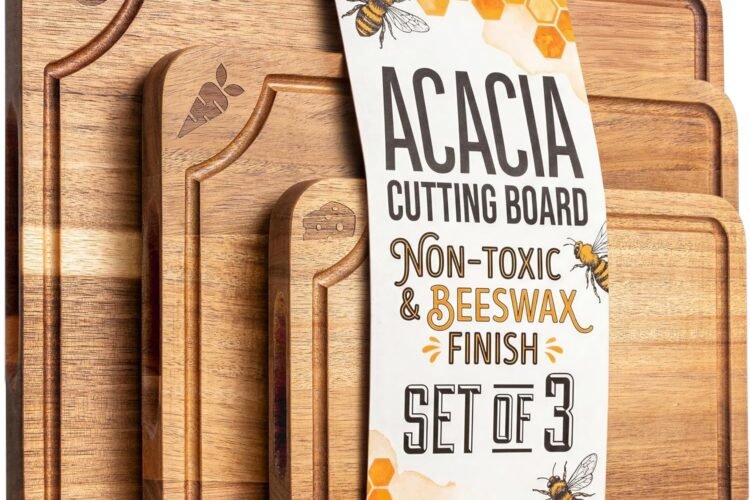
Kitchen tools play a critical role in food preparation, and among them, the cutting board is one of the most frequently used surfaces in any kitchen. Whether preparing vegetables, slicing bread, carving meats, or arranging charcuterie for guests, a reliable cutting board set helps maintain organization, efficiency, and cleanliness during cooking.
A 3-piece acacia wood cutting board set with beeswax finish, juice grooves, and non-slip feet offers a versatile solution for multiple kitchen tasks. These boards are designed to support meal preparation while also functioning as serving platforms for appetizers, cheeses, and fruits.
This article explores the materials, construction, features, and practical uses of acacia wood cutting board sets, explaining how their design supports everyday cooking and food presentation.
The Role of Cutting Boards in Kitchen Preparation
Cutting boards serve as the primary surface for chopping, slicing, and preparing ingredients. Their function goes beyond simple food prep—they also help maintain hygiene by providing a designated workspace for raw foods, cooked items, and produce.
Professional kitchens and home cooks often use multiple cutting boards of different sizes to prevent cross-contamination and streamline meal preparation.
A multi-size cutting board set allows cooks to:
- Separate foods such as vegetables, meat, and bread
- Prepare ingredients simultaneously
- Use different surfaces for cooking and serving
This is why cutting board sets containing small, medium, and large boards are widely used in both home kitchens and culinary environments.
Overview of the 3-Piece Acacia Wood Cutting Board Set
The cutting board set typically includes three boards designed for different kitchen tasks.
Common Size Configuration
Many sets follow a practical size structure:
- Large board (around 17 × 12 inches) – ideal for meat, large vegetables, and meal prep
- Medium board (around 12 × 10 inches) – useful for fruits, cheese, or herbs
- Small board (around 12 × 7 inches) – convenient for quick slicing or snacks
Having multiple sizes allows cooks to select the most suitable board for each task, helping maintain an organized workspace.
Acacia Wood: A Durable Natural Material
What Is Acacia Wood?
Acacia is a hardwood known for its strength, durability, and distinctive grain patterns. It is commonly used in kitchen tools, furniture, and serving boards due to its resistance to wear and attractive natural appearance.
Acacia wood offers several characteristics that make it well suited for cutting boards:
- Dense and durable structure
- Natural resistance to moisture
- Attractive grain patterns and warm color tones
- Stability that helps resist cracking or warping
Because of these qualities, acacia boards are often used in kitchens that require both practical performance and aesthetic appeal.
Knife-Friendly Surface
Wood cutting boards are often preferred because they are gentler on knife edges compared to harder surfaces like glass or stone.
A wooden board surface helps:
- Reduce knife dulling
- Provide slight cushioning during chopping
- Maintain better blade longevity
This balance between durability and blade protection makes wooden boards widely used by professional chefs and home cooks alike.
Beeswax Finish and Natural Protection
Many acacia cutting boards are finished with beeswax or food-safe natural oils.
The beeswax coating serves several functions:
Moisture Protection
Beeswax helps seal the wood surface, reducing water absorption and helping protect the board from swelling or cracking.
Enhanced Appearance
The finish highlights the natural wood grain and deepens the board’s warm color.
Smooth Surface Texture
The wax treatment provides a smooth, polished feel that improves usability during food preparation.
Unlike some finishes, beeswax coatings are commonly chosen for food-contact kitchen tools because they are naturally derived.
Mineral Oil-Free Construction
Some wooden cutting boards are marketed as mineral-oil free, meaning they rely on alternative protective finishes such as beeswax or plant-based oils.
For some consumers, this is appealing because they prefer natural conditioning treatments rather than petroleum-derived oils. While mineral oil is widely considered food safe, alternative finishes offer an additional option for those seeking plant-based maintenance products.
Integrated Juice Groove Design
What Is a Juice Groove?
A juice groove is a shallow channel carved along the edge of a cutting board.
Its purpose is to capture liquids released during food preparation, such as juices from meat, fruits, or vegetables.
Boards with juice grooves can help:
- Reduce countertop mess
- Prevent liquids from spilling over edges
- Improve carving efficiency for meats
Some designs capture a significant amount of liquid during carving tasks, keeping preparation areas cleaner.
Non-Slip Feet for Stability
A common feature in modern cutting boards is non-slip rubber or silicone feet.
These small supports elevate the board slightly from the countertop and help stabilize it during use.
Benefits include:
- Improved grip on kitchen surfaces
- Reduced movement during chopping
- Better airflow under the board after washing
Stability is particularly useful when cutting dense ingredients like root vegetables or meats.
Dual Function: Cutting Board and Charcuterie Board
One of the appealing aspects of acacia cutting boards is their ability to serve both functional and decorative roles.
Food Preparation Surface
The boards can be used for everyday kitchen tasks such as:
- Chopping vegetables
- Slicing fruit
- Preparing meats or poultry
- Cutting bread or baked goods
The different sizes allow cooks to handle both small and large ingredients easily.
Serving and Presentation
Because acacia wood features rich natural grain patterns, many cutting boards double as serving boards for entertaining.
They are often used to present:
- Cheese selections
- Charcuterie arrangements
- Bread and pastries
- Fruits and appetizers
The same board used for preparation can be repurposed for serving, creating a cohesive and natural presentation style.
Advantages of Using Multiple Cutting Boards
Using multiple boards in a kitchen offers practical advantages related to organization, hygiene, and efficiency.
Reduced Cross-Contamination
Food safety guidelines often encourage separating raw meats from other ingredients. Having multiple boards helps maintain this separation.
For example:
- One board for meat
- One for vegetables
- One for bread or fruits
This approach helps maintain safer food preparation practices.
Improved Workflow
Different board sizes allow cooks to match the board to the task.
Examples include:
- Large board for meal prep
- Medium board for slicing ingredients
- Small board for garnishes or snacks
This flexibility helps streamline cooking tasks.
Craftsmanship and Wood Grain Patterns
Each acacia cutting board typically displays unique natural grain patterns.
No two boards look exactly alike because the wood’s texture, color variation, and grain structure differ between trees.
These patterns may include:
- Dark streaks
- Light golden tones
- Rich reddish-brown shades
As a result, many users keep wooden boards visible on countertops because they serve as functional kitchen decor.
Maintenance and Care for Wooden Cutting Boards
To maintain the appearance and durability of acacia boards, proper care is recommended.
Cleaning
After use, boards can be cleaned with:
- Warm water
- Mild dish soap
- A soft sponge or cloth
Avoid soaking wooden boards for long periods because excess moisture may affect the wood.
Drying
It is best to dry the board immediately after washing.
Allowing the board to air dry in a vertical position helps prevent moisture buildup.
Periodic Conditioning
Wood boards may benefit from occasional conditioning using food-safe oil or beeswax treatments.
This helps maintain the wood’s protective layer and preserve its appearance.
Environmental and Sustainability Considerations
Wood cutting boards are often viewed as an environmentally friendly alternative to plastic surfaces.
Concerns about microplastics from plastic cutting boards have led many cooks to consider wood or bamboo alternatives.
Wood boards offer advantages such as:
- Renewable material sourcing
- Long lifespan when maintained properly
- Reduced plastic use in the kitchen
Acacia wood in particular is often harvested from fast-growing trees, making it a widely available hardwood for kitchen tools.
Applications Beyond the Kitchen
While primarily designed for food preparation, acacia cutting boards can serve additional purposes around the home.
Common alternative uses include:
- Serving trays for drinks or snacks
- Decorative kitchen displays
- Outdoor picnic boards
- Food photography backgrounds
Their natural wood appearance makes them adaptable for many culinary and presentation settings.
Why Cutting Board Sets Are Popular in Modern Kitchens
Modern kitchens increasingly favor multi-purpose tools that combine functionality and aesthetics.
A set of acacia cutting boards supports this trend by offering:
- Multiple preparation surfaces
- Decorative serving capabilities
- Natural materials that complement modern kitchen designs
The combination of durable hardwood, practical features like juice grooves, and thoughtful elements such as non-slip feet makes these boards adaptable to everyday cooking and entertaining.
Conclusion
A 3-piece acacia wood cutting board set with beeswax finish, juice grooves, and non-slip feet represents a practical addition to many kitchens. Designed for versatility, these boards support a wide range of tasks—from chopping vegetables and slicing bread to presenting charcuterie and appetizers.
The natural durability of acacia wood, combined with protective finishes and stable design elements, helps create a reliable food preparation surface. With multiple sizes available in one set, cooks can organize their workflow efficiently while maintaining a clean and attractive kitchen environment.
As kitchens continue to emphasize both functionality and presentation, wooden cutting boards remain a timeless tool that blends craftsmanship, practicality, and visual appeal.