Time management plays an essential role in cooking. Whether baking bread, simmering sauces, roasting vegetables, or preparing multiple dishes at once, precise timing helps ensure that food reaches the desired texture and flavor. While many modern kitchens rely on digital appliances and smartphone timers, mechanical kitchen timers remain a popular tool because of their simplicity, reliability, and independence from batteries or electronic components.
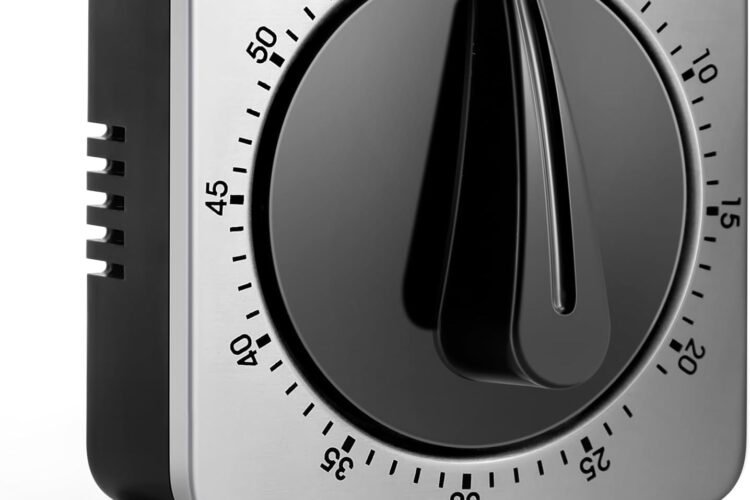
A mechanical chef timer with a stainless steel body, loud alarm, and magnetic backing offers a straightforward solution for monitoring cooking times. Designed for convenience and durability, these timers use a traditional wind-up mechanism to measure time and signal when a countdown is complete.
This article explores the design, functionality, materials, and everyday uses of mechanical kitchen timers, highlighting how they support efficient cooking workflows in both home and professional kitchens.
The Importance of Timing in Cooking
Cooking often requires accurate timing to achieve consistent results. Many recipes depend on precise durations for heating, cooling, or resting food.
Examples include:
- Baking cakes or pastries
- Boiling eggs
- Roasting meats or vegetables
- Steeping tea or coffee
- Proofing dough
Even small timing differences can influence texture and flavor. A timer helps maintain consistency and control during the cooking process, particularly when preparing multiple dishes simultaneously.
Professional kitchens often rely on several timers to coordinate different cooking stages across multiple stations.
What Is a Mechanical Kitchen Timer?
A mechanical kitchen timer is a spring-driven device that counts down a selected amount of time and triggers an audible alarm once the time has elapsed.
Unlike digital timers, mechanical models operate without electronics or batteries. Instead, they use internal gears and a wound spring to track time.
The typical operation process includes:
- Turning the dial to wind the internal spring
- Setting the desired countdown duration
- Allowing the timer to run until it reaches zero
- Hearing the alarm that signals completion
Because of this simple mechanism, mechanical timers are widely valued for their reliability and ease of use.
Stainless Steel Body Construction
Many kitchen timers are built with a stainless steel exterior, which provides durability and visual appeal.
Advantages of Stainless Steel
Stainless steel offers several qualities that make it suitable for kitchen environments:
- Resistance to rust and corrosion
- Durable structure that withstands daily use
- Easy-to-clean surfaces
- Compatibility with modern kitchen designs
The polished metal finish also complements common kitchen appliances such as ovens, refrigerators, and stovetops, creating a consistent aesthetic.
Mechanical Operation Without Batteries
One of the defining characteristics of this timer style is its battery-free mechanical design.
How the Mechanism Works
Inside the timer is a coiled spring connected to a gear system. When the dial is turned, the spring tightens and stores mechanical energy.
As the spring slowly unwinds, the gears move the dial toward zero. When the countdown ends, a small hammer mechanism triggers the alarm bell.
Benefits of Mechanical Operation
The absence of batteries offers several advantages:
- No battery replacements required
- Reliable operation without electronics
- Immediate readiness for use
- Long service life with proper care
This simplicity makes mechanical timers especially useful in kitchens where quick, dependable timing is needed.
Loud Alarm Notification
A key feature of many mechanical kitchen timers is a loud ringing alarm designed to be heard across a busy kitchen environment.
Why Loud Alarms Matter
Cooking environments often include background noise from:
- Ventilation fans
- Running water
- Kitchen appliances
- Conversation
A loud alarm ensures that the signal is noticeable even when the cook is not standing directly next to the timer.
The ringing sound produced by mechanical timers is usually generated by a small bell and striker mechanism, similar to traditional alarm clocks.
Magnetic Backing for Flexible Placement
Many mechanical kitchen timers include a magnetic backing that allows them to attach to metal surfaces.
Common Placement Options
Magnetic mounting allows the timer to be placed on:
- Refrigerator doors
- Range hoods
- Oven panels
- Metal shelving
This placement flexibility helps keep the timer visible and accessible while freeing up counter space.
For example, attaching the timer to the refrigerator allows cooks to quickly check the countdown while preparing ingredients.
60-Minute Countdown Range
Most mechanical kitchen timers support a maximum countdown of 60 minutes.
This time range is suitable for many common cooking tasks, including:
- Baking cakes or cookies
- Roasting vegetables
- Simmering sauces
- Cooking pasta
- Resting meat after roasting
For tasks that require longer timing, the timer can simply be reset once the first countdown cycle finishes.
Clear Dial Design for Easy Reading
Mechanical timers typically feature a large circular dial with clearly marked numbers.
Dial Layout
The dial generally includes:
- Minute markings from 0 to 60
- Bold numbers for readability
- A pointer indicating the remaining time
This analog display allows users to quickly see how much time remains without needing to press buttons or activate screens.
The visual countdown also provides a quick reference for managing multiple cooking steps.
Simple Operation Process
Mechanical timers are designed to be easy to use, even for individuals unfamiliar with digital kitchen tools.
Typical Setup Steps
- Turn the dial clockwise to the maximum time (usually 60 minutes) to wind the spring.
- Rotate the dial counterclockwise to the desired countdown time.
- Place the timer in a visible location.
- Wait for the alarm to ring when the countdown reaches zero.
This straightforward process makes mechanical timers accessible for cooks of all experience levels.
Common Uses in the Kitchen
Mechanical timers support a wide range of kitchen activities beyond traditional cooking.
Baking
Timers help track baking durations for cakes, cookies, and bread. Precise timing helps ensure proper texture and doneness.
Boiling and Simmering
Timers are useful when boiling eggs, simmering soups, or preparing grains like rice and quinoa.
Food Preparation
During meal prep, timers can be used to:
- Rest dough during bread making
- Marinate meats
- Time blanching of vegetables
Multi-Task Cooking
When cooking several dishes at once, timers help coordinate each step so that dishes finish at the right moment.
Uses Beyond the Kitchen
Although designed for cooking, mechanical timers can serve many other timing needs around the home.
Examples include:
Study and Productivity
Timers are often used for structured work sessions, such as timed study periods or productivity techniques like the Pomodoro method.
Exercise and Workouts
A timer can track rest intervals between exercise sets or timed workouts.
Household Tasks
Some people use timers to manage tasks such as laundry cycles, cleaning routines, or gardening activities.
Because they do not rely on batteries or power outlets, mechanical timers are portable and convenient for many environments.
Design Aesthetics in Modern Kitchens
Mechanical timers with stainless steel bodies often serve as both functional tools and decorative elements.
Their classic appearance fits well with several kitchen design styles:
- Industrial kitchens
- Modern stainless steel appliance kitchens
- Minimalist interiors
- Professional-inspired cooking spaces
The compact design allows the timer to sit neatly on countertops or attach magnetically to appliances.
Durability and Longevity
Mechanical timers are known for their long lifespan when properly maintained.
Because they rely on gears and springs rather than digital circuits, they can continue operating for many years.
Basic care includes:
- Avoiding excessive force when winding the dial
- Keeping the timer clean and dry
- Preventing drops or impacts that could affect the internal mechanism
These simple precautions help maintain consistent performance.
Mechanical vs Digital Kitchen Timers
While digital timers are common in modern kitchens, mechanical timers offer several distinct characteristics.
Mechanical Timer Characteristics
- No batteries required
- Simple analog operation
- Audible bell alarm
- Classic design
Digital Timer Characteristics
- Electronic displays
- Multiple timer functions
- Silent or customizable alerts
- Often battery powered
Both types have their own advantages, and many kitchens use a combination depending on personal preference and cooking style.
Why Mechanical Timers Remain Popular
Despite the availability of smartphones and digital appliances, mechanical timers continue to be widely used.
Several factors contribute to their popularity:
- Immediate operation without setup
- Independence from batteries or charging
- Clear visual countdown
- Durable construction
Their simplicity makes them reliable tools that fit easily into everyday kitchen routines.
Conclusion
A mechanical kitchen timer with a stainless steel body, loud alarm, and magnetic backing represents a practical timing solution for many cooking tasks. Powered by a traditional wind-up mechanism, the timer functions without batteries while providing a clear countdown and audible alert.
Features such as the magnetic mounting option, durable metal housing, and easy-to-read dial make these timers adaptable to a wide range of kitchen environments. From baking and boiling to meal preparation and multi-task cooking, mechanical timers support consistent timing and organized workflows.
Even in modern kitchens filled with digital technology, mechanical timers remain valued for their simplicity, reliability, and timeless design. They continue to serve as dependable tools that help cooks manage time effectively while preparing meals.